Trends
5 key insights from ITAC 2026: Why “care at home” is really about rebuilding the system
By:
Adam Frank
4
min read

Something about the conversations at Ageing Australia’s ITAC Conference - Innovation Transforming Aged Care felt a bit strange to me.
As someone who grew up in an Asian household, the idea of “bringing care home” feels more like a default than something new.
You don’t really ask where care happens. You assume it happens at home, supported by family, community, and increasingly…technology.
So hearing “care at home” framed as the future of healthcare felt a little inverted.
Because what’s being described is, in many ways, a return.
But the difference this time is scale.
The system is under pressure from every direction:
1 in 5 Australians will be over 65 by 2030
workforce shortages continue to intensify
acuity levels are rising
avoidable hospitalisations cost the system billions annually
regulatory and cyber complexity keeps increasing
This feels less like incremental pressure and more like structural strain.
And as more care shifts beyond traditional facilities and into the home, the entire system needs to become far more coordinated and proactive.
One thing became pretty clear throughout the event.
Aged care has a coordination, conversion, and speed problem (i.e. not demand problem: clearly, we are getting older and living longer).
1. “Ageing in place” is no longer a trend
It’s becoming the operating model.
The conversation has clearly moved beyond residential care capacity alone. More providers are thinking about how to support people earlier, longer, and more proactively in the home.
And operationally, that changes everything.
Because delivering care across homes, hospitals, admissions teams, community services, and providers creates a very different coordination challenge.
More handoffs. More fragmentation. More pressure on response times.
2. Interoperability kept coming up for a reason
“One patient. One record.”
That line came up repeatedly.
Because the reality is that most providers are still operating across disconnected systems, siloed workflows, and inconsistent visibility between teams.
Clinical systems. Finance systems. Compliance systems. But what sits between them is often fragmented – which creates delays.
Delayed follow-up , admissions and ultimately: delayed decisions. All of this results in empty beds sitting longer than they should.
You cannot deliver connected care with disconnected systems.
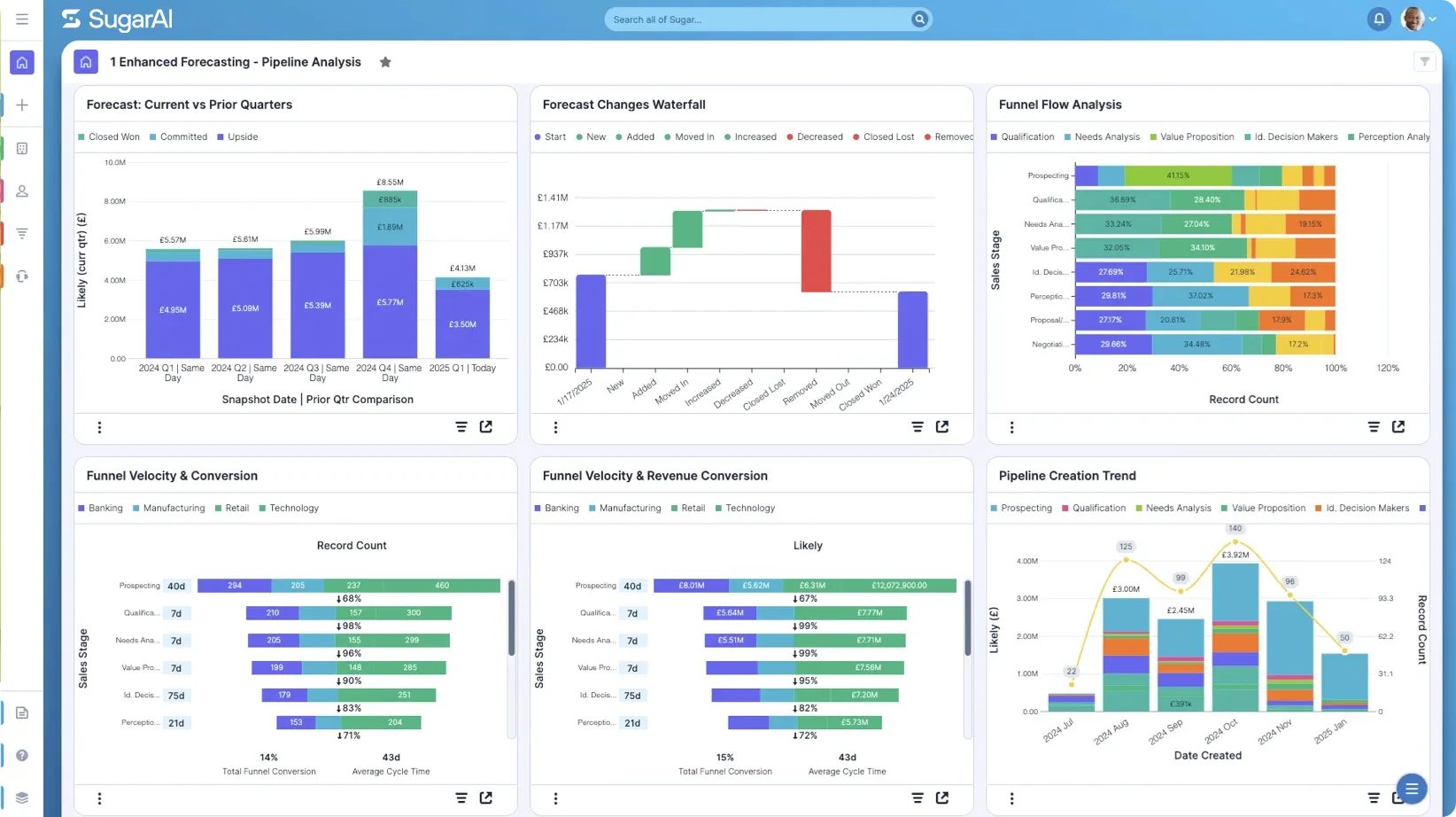
3. Real-time visibility matters more than reporting
Another major theme was the shift away from static reporting and toward continuous visibility.
Most organisations still operate off snapshots:
occupancy reports
admissions reports
manual updates
point-in-time dashboards
But care at home changes the equation.
You need continuous signals, not episodic visibility.
Remote monitoring came up constantly.
Real-time operational visibility came up constantly.
So did proactive coordination.
Because the providers moving fastest are usually reducing the gap between insight and action.
That’s where a lot of operational leakage still exists today.
4. AI’s biggest value is prediction
Not automation.
Obviously… our favourite two letters came up a lot.
But the most interesting conversations weren’t really about replacing people.
They were about timing.
Given how expensive acute care and hospital admissions are, detecting deterioration earlier becomes incredibly important.
This is less about:
“Something has gone wrong.”
And more about:
“This is ABOUT to go wrong.”
That same principle applies operationally too.
Which resident enquiry needs attention now?
Which referral is most likely to convert?
Which discharge pathway is starting to stall?
The providers that respond fastest, prioritise better, and coordinate more effectively will likely outperform those simply generating more demand.
5. Technology alone won’t solve this
That was probably one of the clearest takeaways from the event.
This is not just a technology challenge.
It’s an operational one.
Care at home only works when:
teams are aligned
data is connected
visibility is shared
workflows are proactive
action happens quickly enough to matter
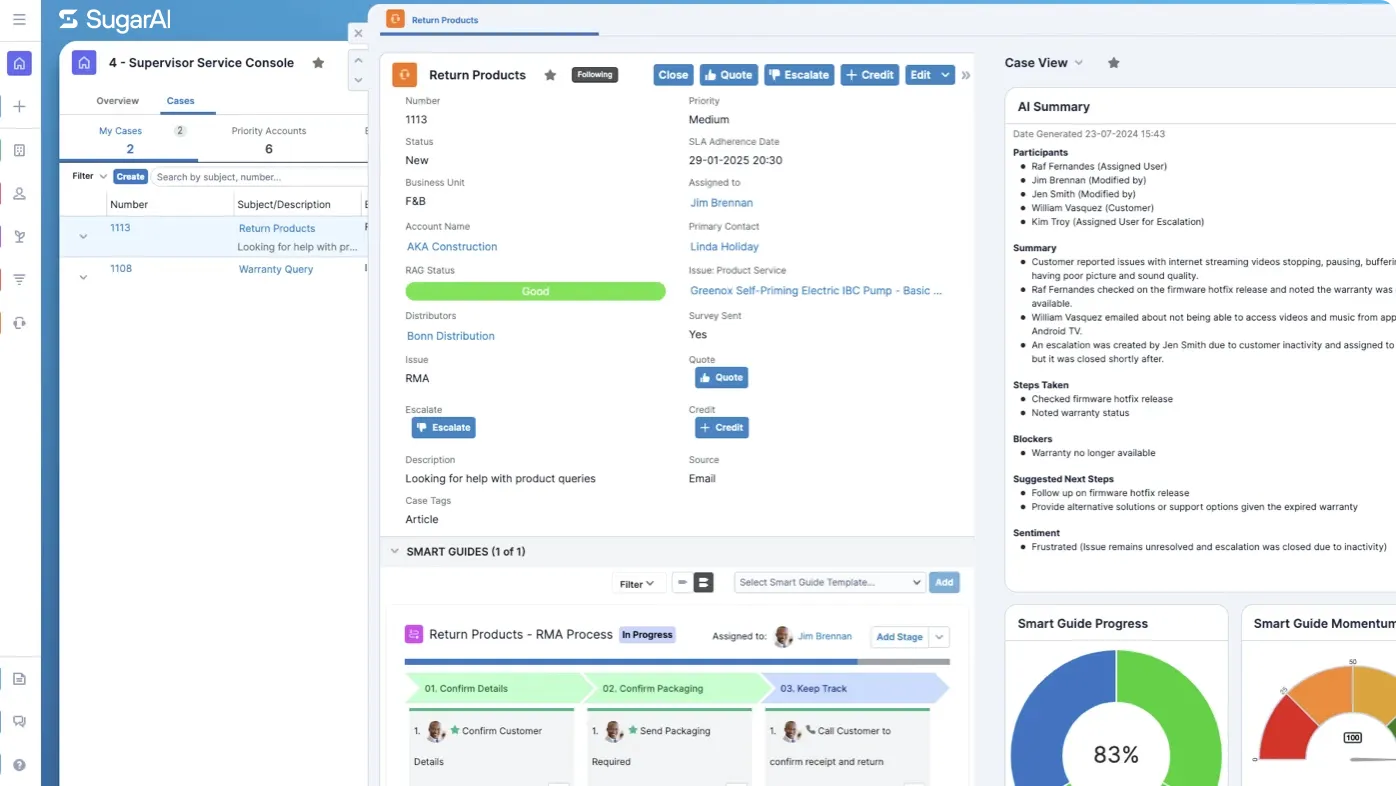
And increasingly, organisations need systems that do more than store information.
They need systems that help guide action.
That feels like a pretty fundamental shift happening across the sector right now.
A huge shout out to Ageing Australia for bringing the industry together at ITAC 2026, and to the incredible team at SugarAI focused on helping providers navigate this transformation.
Share article