Grizzly
Grizzly chooses Sugar to support its direct sales strategy
The Sugar effect
Full
business digitalization
Faster
lead assignment
Improved
sales-marketing alignment

Grizzly, founded in 1979 by Luciano Marchesi, designs and manufactures industrial cleaning machines. Starting with vacuum cleaners for solids and liquids, the company expanded its portfolio to include floor scrubbers and high-quality industrial detergents through its Chemigrizzly division, offering customers a complete and professional service. From the outset, Grizzly has positioned itself around uncompromising product quality, designing all solutions in-house based on daily customer feedback and in collaboration with multidisciplinary experts, including internationally recognized designers known for combining aesthetics and functionality.
The challenges
Before implementing Sugar, Grizzly’s direct sales model relied on manual, paper-based processes that limited efficiency and scalability. Sales reports were submitted on paper, databases were updated manually, and communication between marketing and sales depended heavily on phone calls with agents constantly on the move. As digital marketing initiatives increased lead volume, the lack of an integrated system created delays, reduced visibility into activities, and risked turning data management into a bottleneck for growth.
An earlier attempt at a web-based solution also failed to gain adoption among the sales network, highlighting the need for a more intuitive, purpose-built CRM platform.
The solution
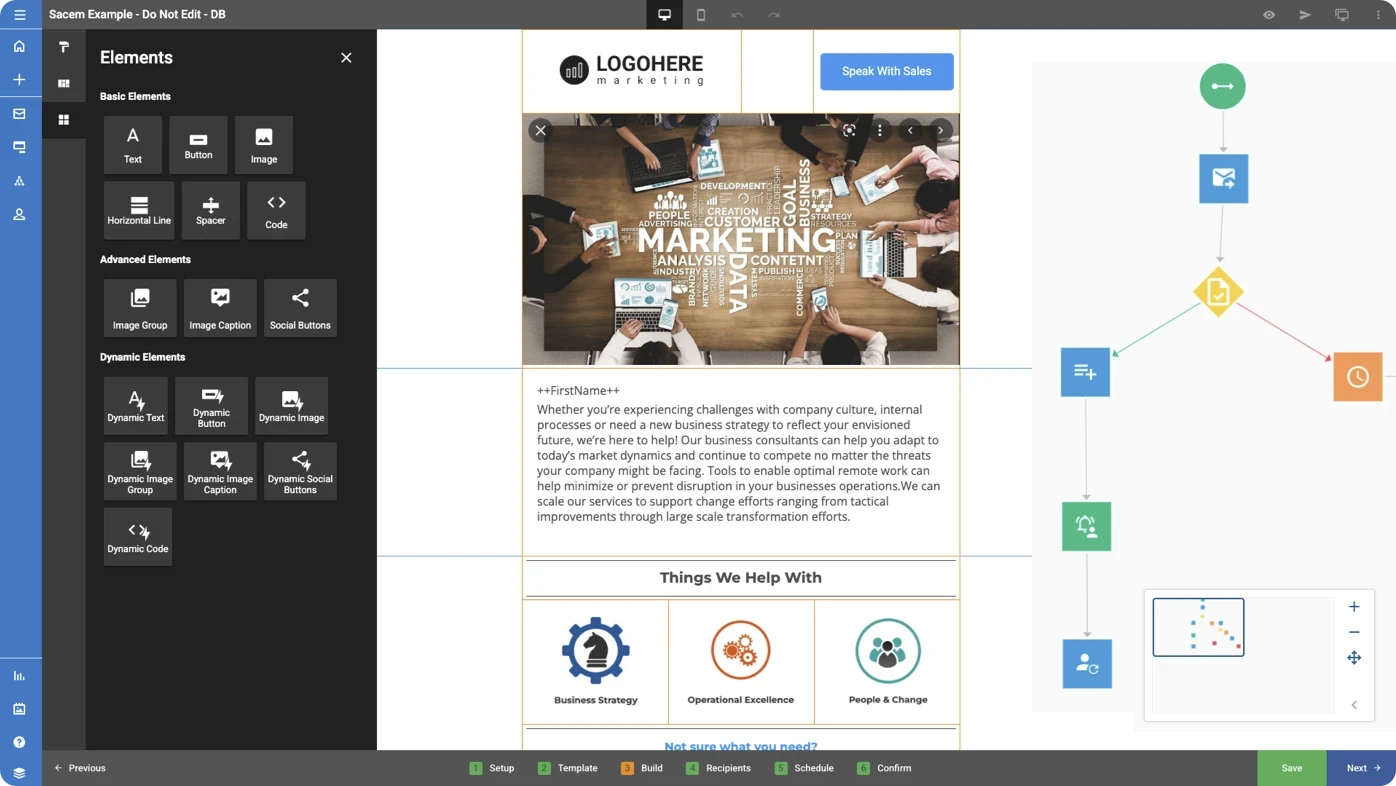
Grizzly implemented Sugar to digitize and streamline communication between marketing and sales, creating a centralized, real-time system accessible via desktop and mobile app. With strong support from OpenSymbol, the solution was tailored to fit Grizzly’s B2B sales processes and direct sales model. Leads can now be assigned instantly, visit reports submitted digitally, and customer data updated in real time. The rollout strategy included early involvement of sales champions, hands-on training, and process simulations to drive adoption across the network.
As a result, Grizzly replaced fragmented, paper-based workflows with a scalable CRM platform designed to support continued digital growth.

“The introduction of Sugar has significantly improved the way both the marketing team and Grizzly’s sales network work. Today, no one spends time chasing salespeople to give or receive information — everything happens digitally. Leads are assigned with one click, visit reports are submitted with one click, and customer data updates are completed just as easily.”
Olga M. Marketing and Sales Director, Grizzly
Grizzly chooses Sugar to support its direct sales strategy
Grizzly was founded in 1979 by Luciano Marchesi to design and manufacture industrial cleaning machines. The company began with a line of vacuum cleaners for solids and liquids, which was later complemented by a range of floor scrubbers and then by a line of high-quality industrial detergents through the Chemigrizzly division, in order to offer customers a complete, professional, and qualified service.
From the very beginning, Grizzly positioned itself in the market with a clear focus: absolute product quality. This principle has guided its entire business model.
All products are designed in-house, starting from the daily listening to users’ needs, in collaboration with professionals from various disciplines, including designers who have created globally recognized products known for their aesthetic appeal and functionality.
A flexible, green structure built for performance
Grizzly’s structure is flexible and agile, enabling the company to select and implement the most suitable technologies to achieve its objectives and meet market demands. Throughout its history, Grizzly has used — and continues to use — all major plastic molding systems, numerous metalworking technologies, and advanced electromechanical and electronic solutions.
Grizzly is also a green company. New models are compatible with older accessories, and all machines are designed with a modular logic so that, in case of wear, only the affected component needs to be replaced. Durability and simplified service management are central to Grizzly’s strategy, with customer support delivered in a centralized, fast, and efficient way.
A direct sales strategy supported by an agent network
From the beginning, Grizzly adopted a direct sales strategy supported by a network of agents responsible for conducting on-site demonstrations of vacuum cleaners and floor scrubbers in the actual environment where they will be used, clearly showing how they solve the customer’s problem. This approach is perfectly aligned with the company’s niche, high-quality, and highly customized production.
Over the years, more than 140,000 companies across Europe have chosen Grizzly products — a strong testament not only to product quality but also to the effectiveness of its direct sales model, supported by differentiated marketing strategies based on channel and customer type.
However, this effective strategy had one limitation: it was entirely analog. The database was updated through agents’ paper reports. As digital marketing efforts increased lead generation, growth was slowed by the need to communicate information by phone to salespeople constantly on the move, with all the typical challenges this entails.
Digital transformation and the choice of CRM software
The need for a tool capable of transforming communication between marketing and sales was already clear before the pandemic. When physical visits became impossible, the crisis accelerated the company’s digital transformation.
Grizzly’s management — now including the second generation of the Marchesi family — had previously taken an initial step toward CRM by asking its ERP provider to develop a web-based solution. However, adoption among the sales network was limited, and the tool went largely unused.
At that point, the company decided to invest in a true CRM solution. After evaluating leading CRM platforms, OpenSymbol introduced Sugar, which immediately stood out as the most suitable for B2B sales needs, particularly due to its extensive module customization capabilities.
The implementation of Sugar
Sugar immediately proved to be a CRM that, with minimal training, could be used even by those less comfortable with digital tools, thanks to its smartphone app that lowered the technological barrier to entry.
According to Nicoletta Perricone, Head of Marketing and Sales Network Communication at Grizzly:
"The OpenSymbol team made the difference. They listened to all our needs, understood our company culture, and translated everything into the SugarCRM system."
The shift from relying on hundreds of spreadsheets — often printed — to a fully digital system was immediately noticeable.
The strengths of Sugar
“The introduction of Sugar has significantly improved the way both marketing and the sales network work. Today, no one wastes time chasing salespeople to give or receive information — everything happens digitally. Leads are assigned with one click, visit reports are submitted with one click, and customer data updates are completed just as easily,” says Olga Marchesi, Marketing and Sales Director at Grizzly.
Adoption at headquarters posed no issues. For the sales network, the rollout began by involving agents who were most open to innovation early in the selection phase. The sales manager’s strong support was also critical from the outset.
The entire sales network later participated in a three-day event featuring a simulation of the new Sugar-based sales process, along with immediate feedback to refine procedures and resolve issues.
Several months after implementation, paper has been completely eliminated, marketing activities have been reorganized to better support sales, and the foundation has been laid for further digital developments. Collaboration between marketing and sales has improved significantly.
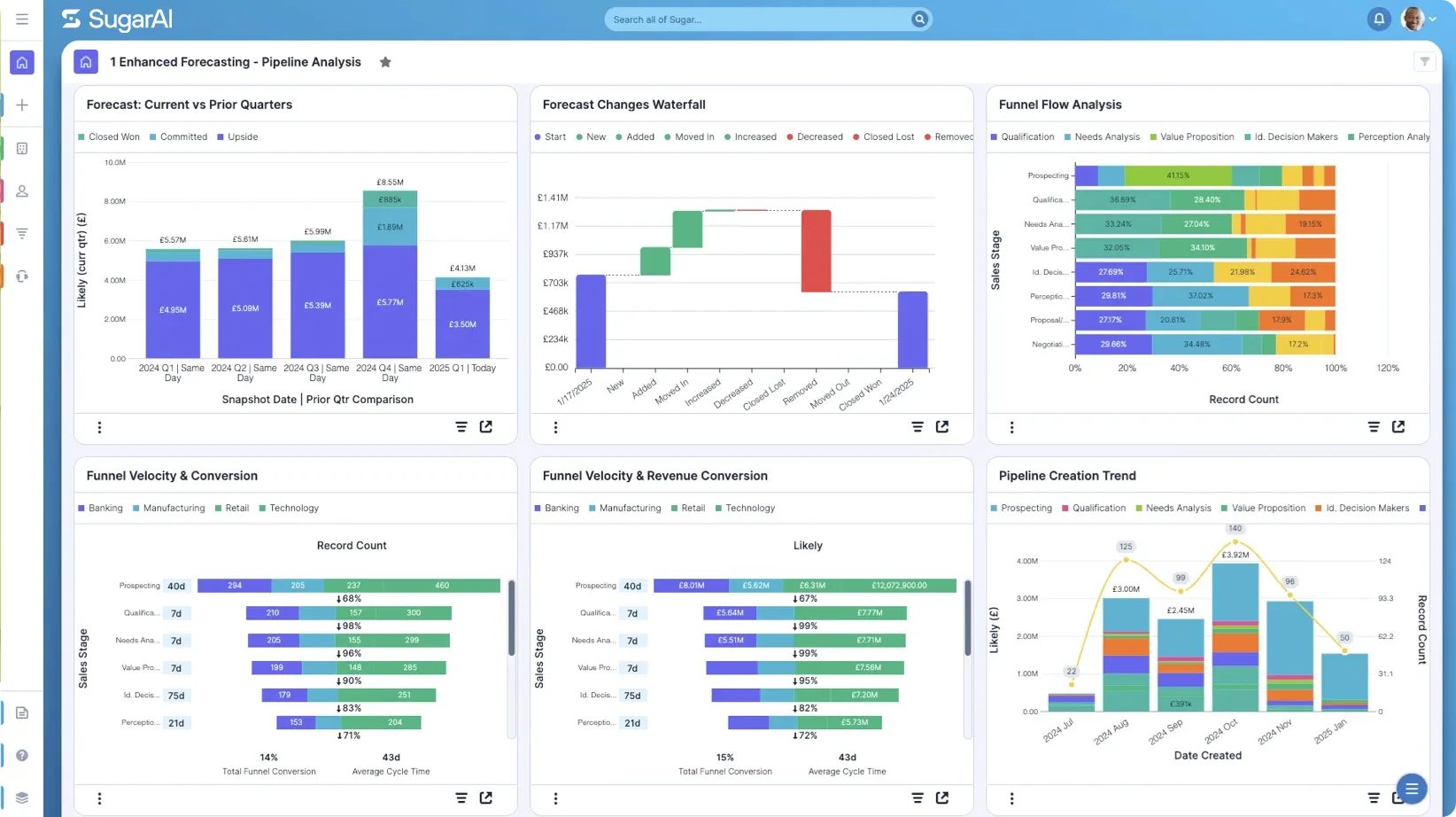
The reporting function enables marketing to extract customized data and statistics aligned with business objectives and provides a real-time snapshot of activities.
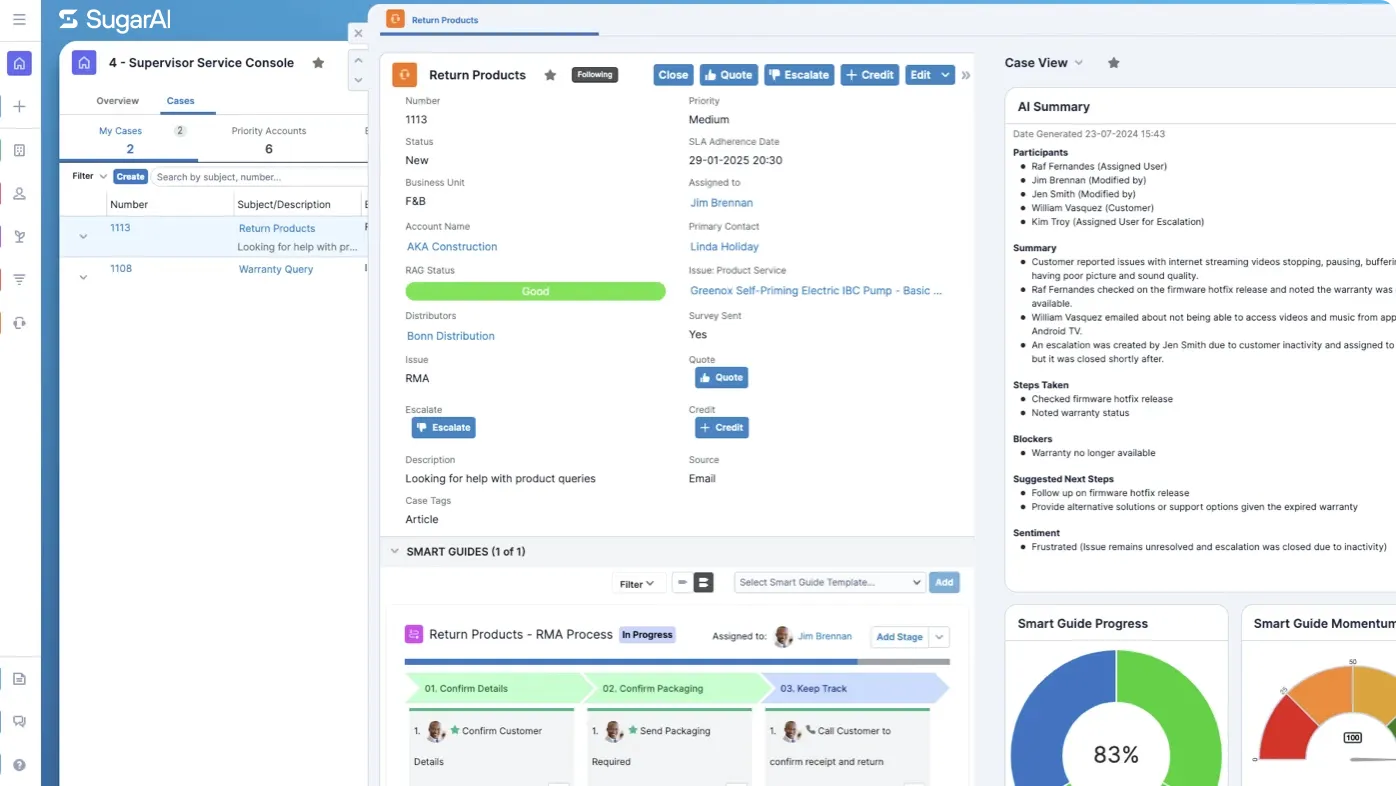
While a formal ROI analysis has not yet been conducted, the advantages over previous processes are clear. It has also become easier to onboard and integrate new sales agents. In the future, the customer service management process will be integrated into the system.
The company is evaluating extending Sugar to Grizzly Hispania, its Barcelona-based Spanish subsidiary. Additional plans include introducing a digital catalog and price list for e-commerce-style quote and order management, as well as integrating new tools for master data management and new lead generation channels such as newsletters.
Today, Grizzly has a solution capable of scaling alongside its business — replacing a past where data flows between marketing and sales risked becoming a bottleneck to growth.