Sales
Why Precision Selling is the new competitive advantage for credit unions
4
min read

For most of the past decade, being a credit union meant you had one clear edge over the big banks: relationships. Members chose you because you knew them by name, understood their financial goals, and picked up the phone when they called. That edge still exists - but it's getting harder to sustain at scale.
Growth is slowing. Indirect lending - especially auto loans through dealerships - has pulled back significantly. Economic pressure has made members more deliberate about where they keep their money. And every month, a new fintech launches with a slicker mobile app, a competitive rate, and zero branches to maintain.
The credit unions winning right now aren't the ones with the deepest pockets or the most branches. They're the ones that have figured out how to make every member interaction count - because they have the data, the tools, and the timing to make it personal.
That's the idea behind Precision Selling: not louder marketing or more aggressive outreach, but smarter engagement - delivered at the right moment, to the right member, with the right context.
The problem with how most CRMs were built
Traditional CRM platforms were designed around a fundamentally different problem. They were built for high-volume sales teams generating inbound demand - tracking pipeline stages, logging call activity, and giving managers a dashboard view of what happened last quarter.
Credit unions have a different challenge. Your "sales cycle" is a relationship that might span 20 years. Your most important opportunity isn't a new prospect - it's the member who just paid off their auto loan and hasn't been approached about refinancing their home. Or the small business owner whose checking balance suggests she might be ready for a line of credit. Or the young family whose CD is rolling over in 30 days and who's been getting rate comparison emails from a big bank.
Most CRMs show what's already happened. Credit unions need a platform that shows what to do next.
What Precision Selling looks like in practice
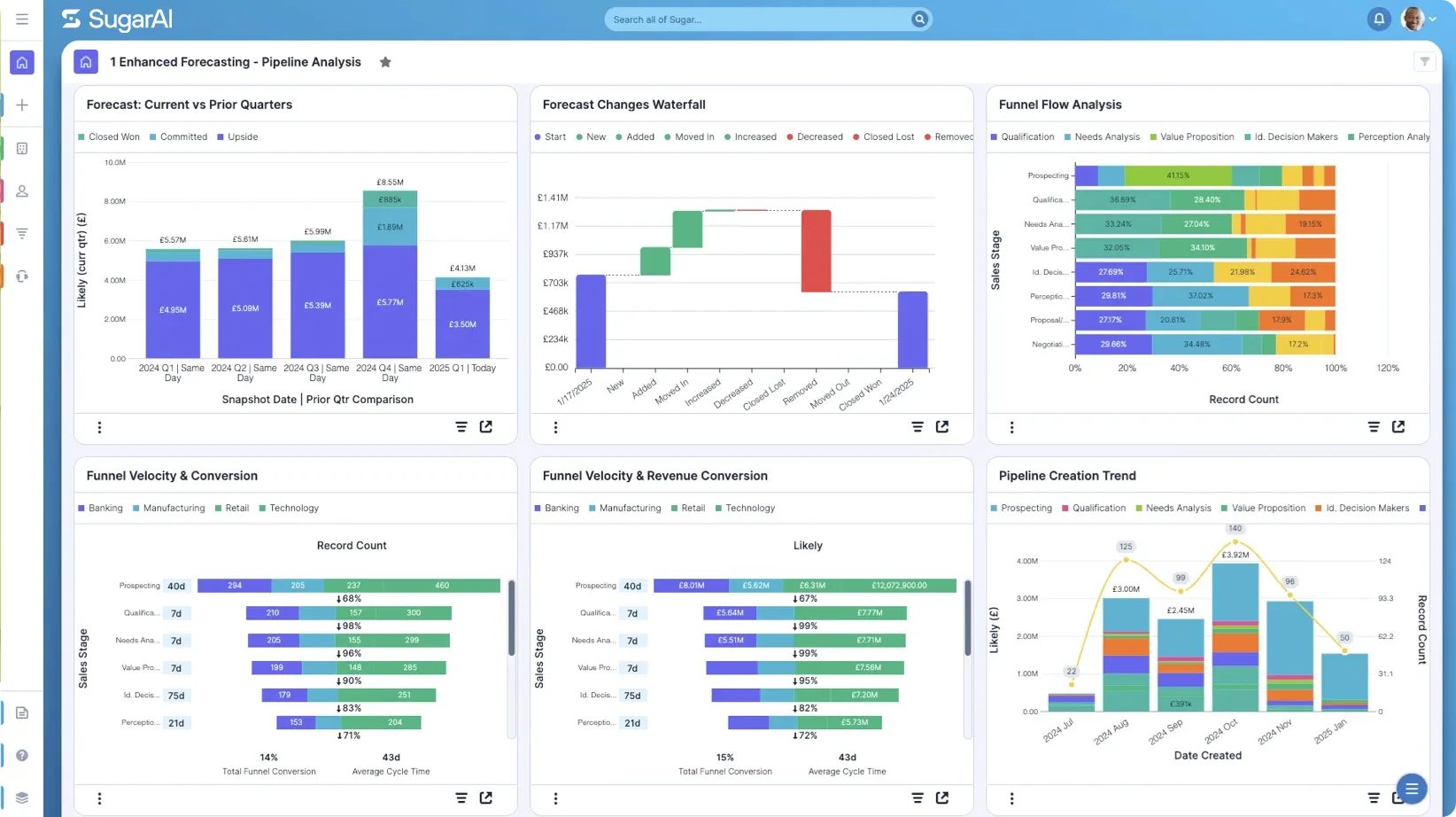
Imagine a branch manager starting her day and seeing - before she opens her email - a prioritized list of the five member conversations that deserve attention this week. Not a list of everyone with a product. A focused, AI-ranked view of the relationships with the highest urgency and the highest opportunity.
Across the branch, a loan officer is heading into a meeting with a member who came in about a home equity line. His system has already surfaced that this member also holds a business checking account, visited the mortgage rates page on the website last week, and had a positive service interaction six months ago. He walks in knowing more than just the loan request on the table.
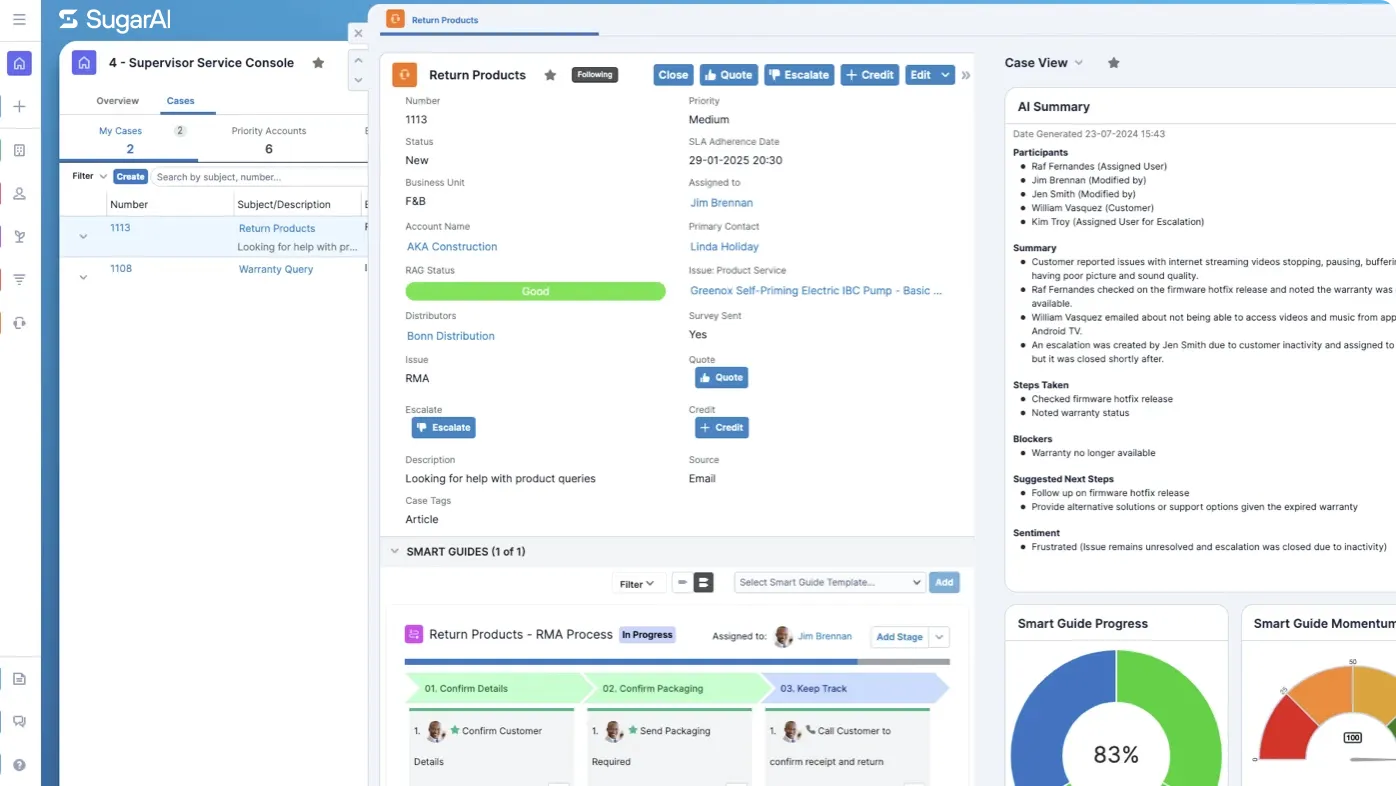
In the contact center, a representative gets a call from a member about a card dispute. The system resolves the case - and before the call ends, quietly surfaces a flag: this member's auto loan matures in 47 days, and they match the profile of members who respond well to a refinancing conversation.
This is precision selling. Not more touchpoints - better ones.
The five levers credit unions should be pulling
Based on what we hear from credit union leaders across North America, the most impactful improvements tend to cluster around five core capabilities:
Unified member visibility across your core, CRM, and marketing tools - all in one workspace.
Needs-based alerting that surfaces opportunities at the moment they're most likely to convert.
Streamlined referral workflows that move member interest across departments without drop-off.
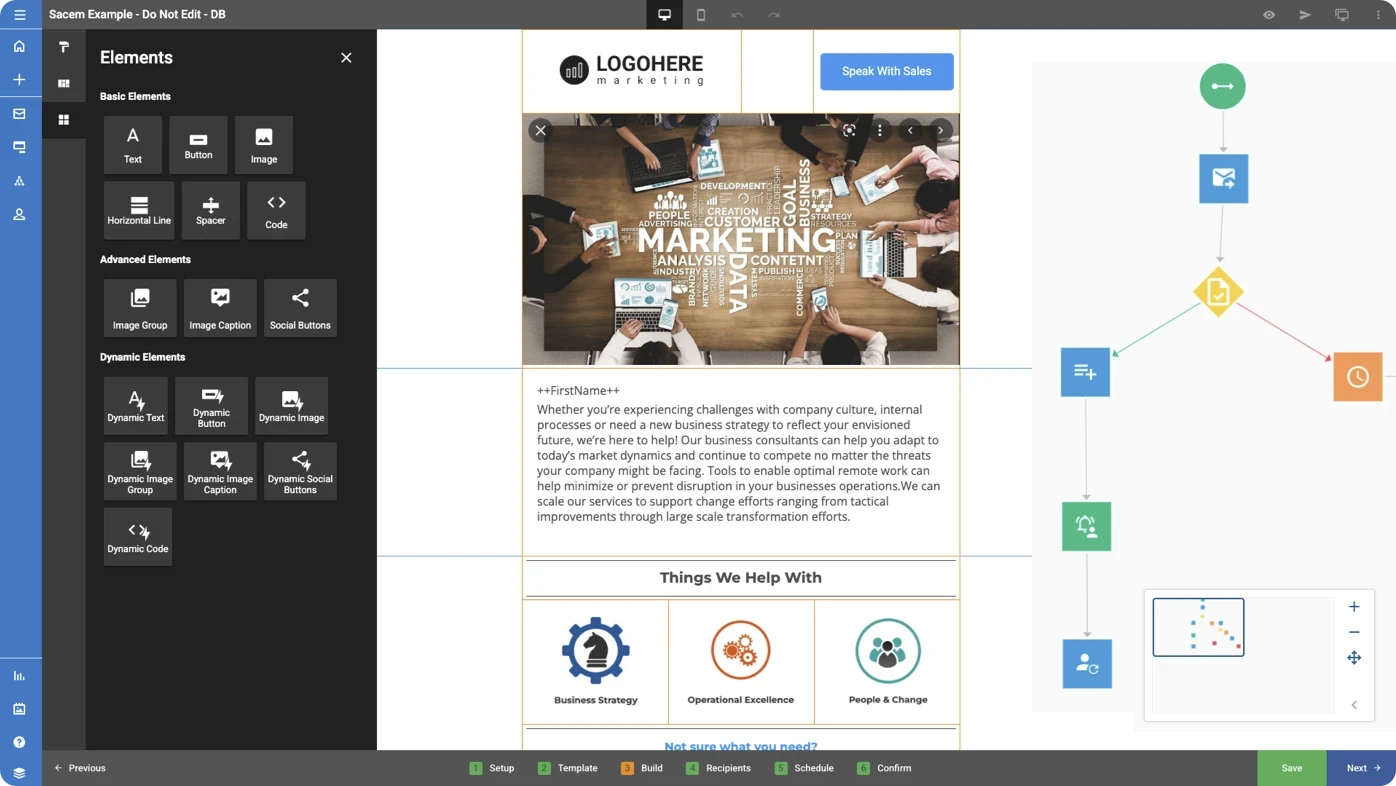
Automated multi-channel marketing triggered by member behavior, not batch schedules.
Leadership visibility that enables coaching and early intervention before opportunities close.
The integration problem nobody wants to talk about
The elephant in the room for most credit union technology conversations is the core. Symitar, DNA, Episys - whatever your core banking platform, it holds the financial truth about every member relationship. If your CRM isn't connected to it, you're operating with one hand tied behind your back.
The credit unions seeing the biggest returns from their CRM investment are typically the ones who got serious about integration early, even when it felt like the harder path up front.
“Now our CRM doesn't just tell our reps where they've been - it tells them where they're going.”
- Tim Billingsley, VP of Revenue Operations, LGG Industrial
The bottom line
The credit unions that will compete effectively in the next five years won't necessarily be the ones with the most innovative products or the lowest rates. They'll be the ones with the deepest member intelligence - and the operational infrastructure to act on it, consistently, at scale.
Precision Selling is how you get there. It's a platform and a philosophy: focus your teams on the moments that matter most, give them the context to make those moments count, and let the relationships compound over time.
If your current CRM is mostly showing you what already happened, it might be time to ask what it could be showing you instead.
See how SugarAI helps credit unions engage with precision.
Book a personalized demo with our financial services team at sugarai.com/industries/credit-unions.
Share article